
What this season teaches us about food, value and generosity
As chefs, we tend to get most excited about the months of abundance, when produce comes easily, variety is plentiful, and the sweetness of the sun is evident in every bite. Winter, in contrast, asks something different. Working as part of The Long Table kitchen team has reshaped how I think about this season professionally and personally and required me, often through necessity, to challenge how I go about creating food within it.
In a previous life, I lived for winter. I chased it around the world in pursuit of the perfect champagne (powder) and the crispest of turns. That season was about working respectfully with nature; maximising what it had to offer and embracing its limitations, usually with a hearty amount of adrenaline. Surprisingly, those same sentiments feel deeply relevant now. The thrill I once found on a mountainside, I now find in the challenge winter presents in this kitchen, a challenge that excites me and holds my attention in an entirely different way.

In The Long Table kitchen, our food policy is the blueprint from which everything begins, shaping not just what we cook but understanding our responsibility to our growers and guests. It asks us to
prioritise locally grown produce wherever possible, to cook within the rhythms of the seasons - and to respond creatively when choice is limited rather than defaulting to convenience.
When planning dishes, the starting point is always the produce. We don’t order for the dishes we want to create; we create dishes from the produce we have available. In many ways, it is the quintessential home-cook approach, opening the fridge door and asking, what can I make from this? With the added challenge of scaling that up to 100 portions per meal and finding our place in a vibrant town centre location with multiple other restaurant options.
It demands careful planning, creativity, and the confidence to stand behind a limited number of core ingredients each month, finding different ways to cook and serve them so they feel interesting, exciting, and generous. This has been a particular area of focus for me this season. The temptation to order in ingredients better suited to a more summery profile is sometimes hard to resist, but doing so wouldn’t reflect our values, nor would it make sense financially.
Winter vegetable options can be more limited, but with that comes a creative challenge
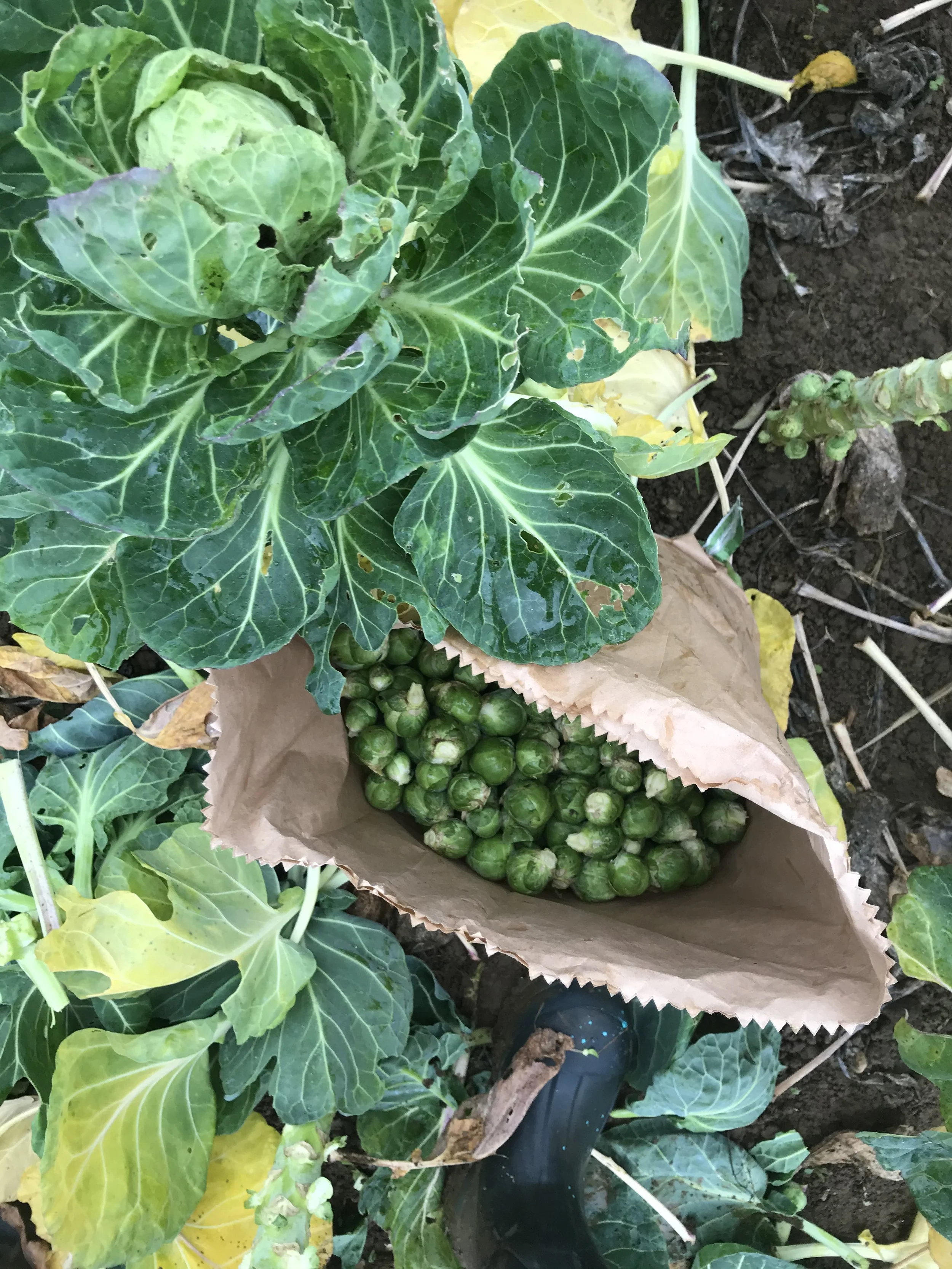
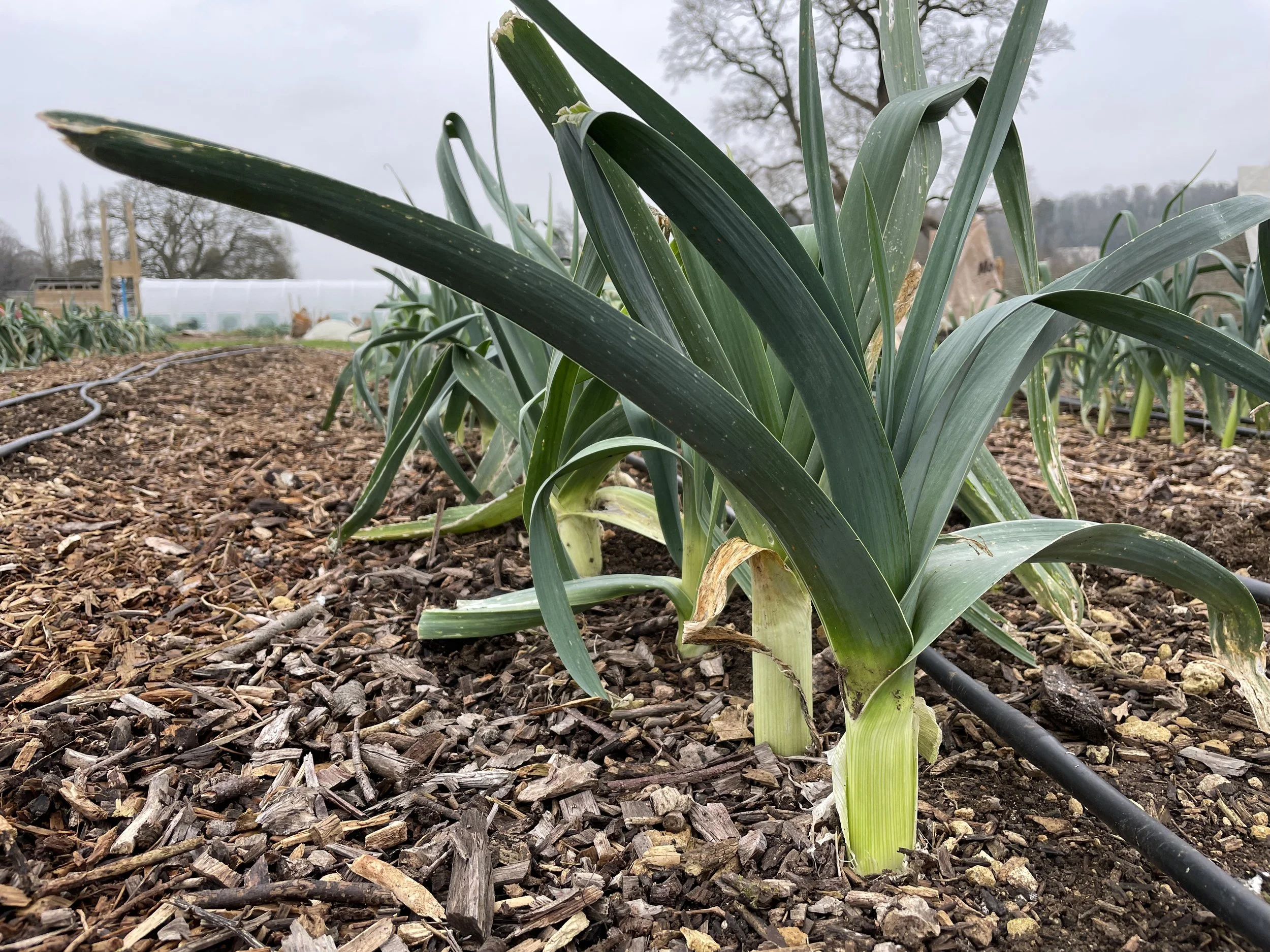
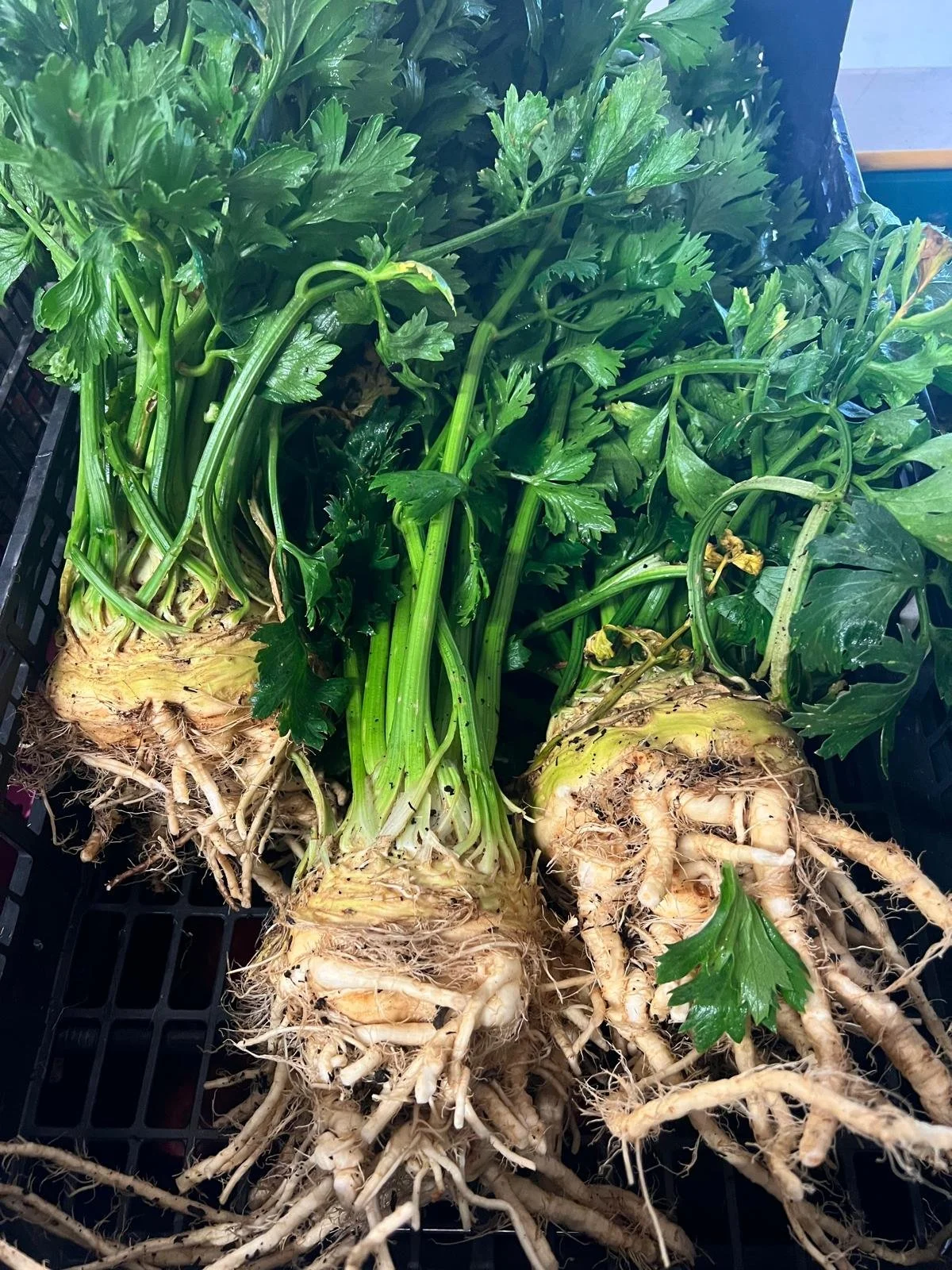
As a pay-as-you-can restaurant being mindful of costs is essential, and our commitment to hyper seasonality plays a key role in that. Working with the seasons allows us to prioritise produce when it offers the best value per kilo, while also being at its peak for flavour and nutrient density. Each month, I write a list of 10–20 key ingredients that form the backbone of our main meals and salads. It then becomes our job as chefs to use them in ways that feel varied and thoughtful, without becoming repetitive.
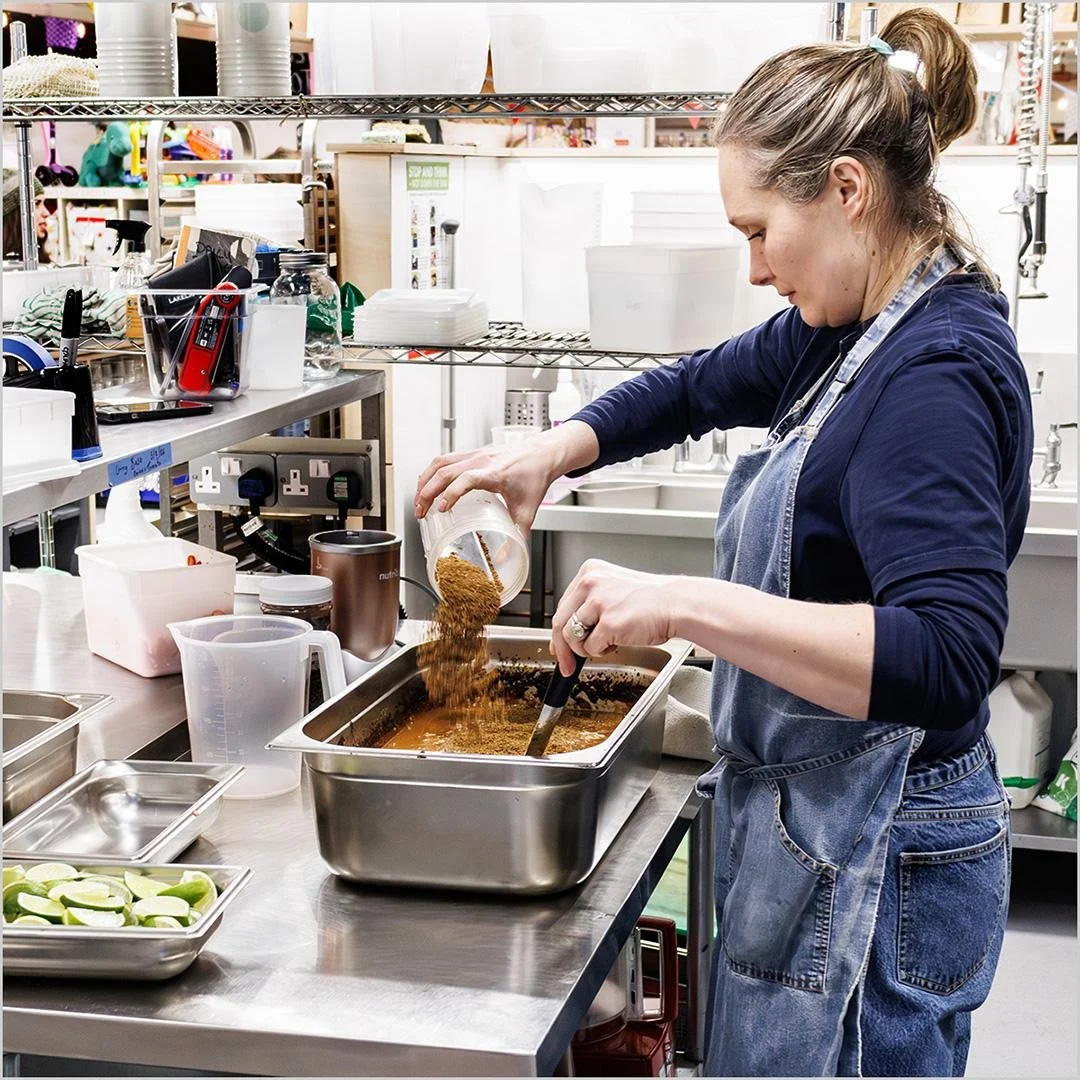
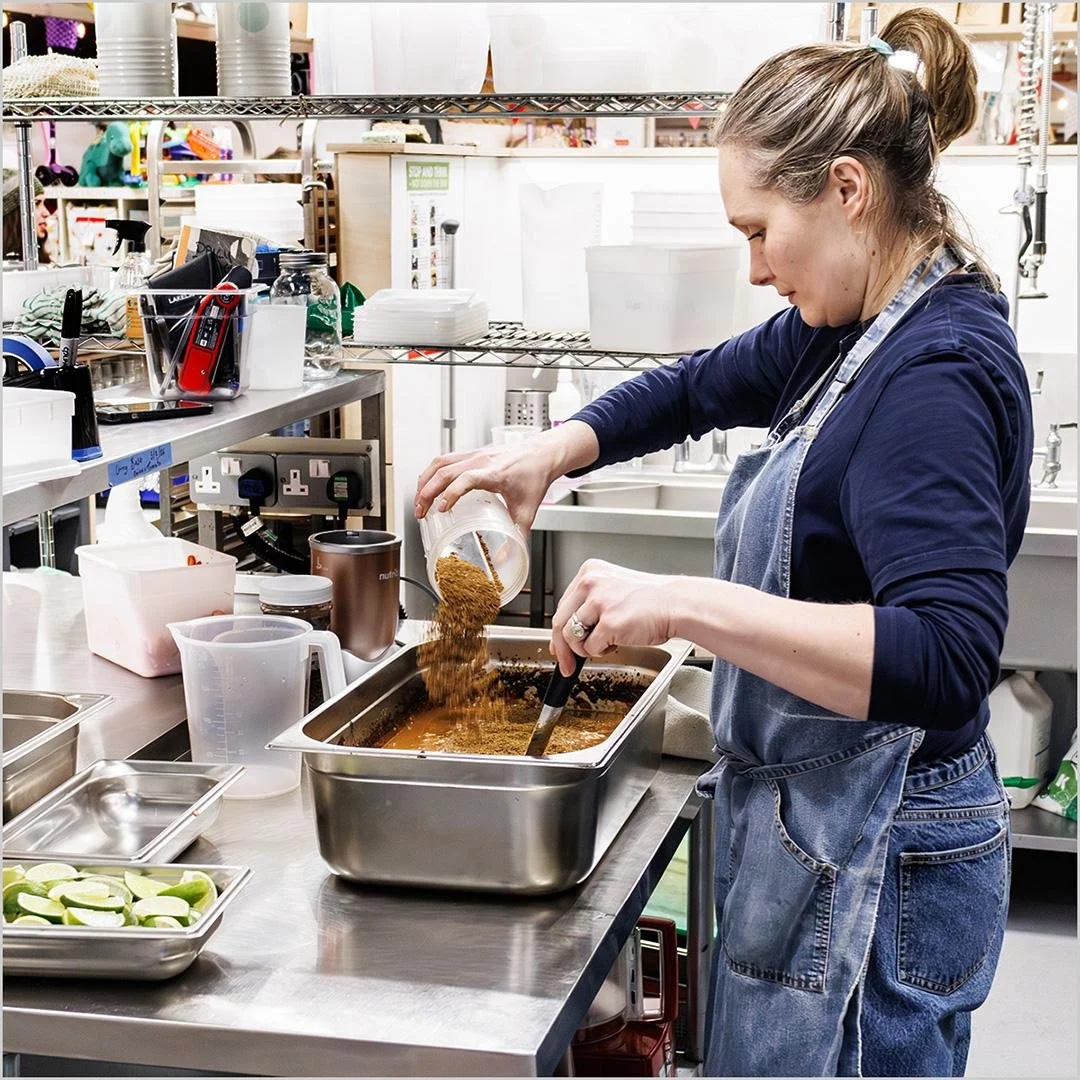
One of the really wonderful things about the open-kitchen design at The Long Table in Cirencester is the opportunity to speak daily with the people who choose not only our food, but to be part of our community, from dedicated regulars to first-time visitors. These conversations have been invaluable in affirming that there is a real place for this style of food. Not just acceptance of, but true appreciation for meals that are simple, seasonal and cooked with care.
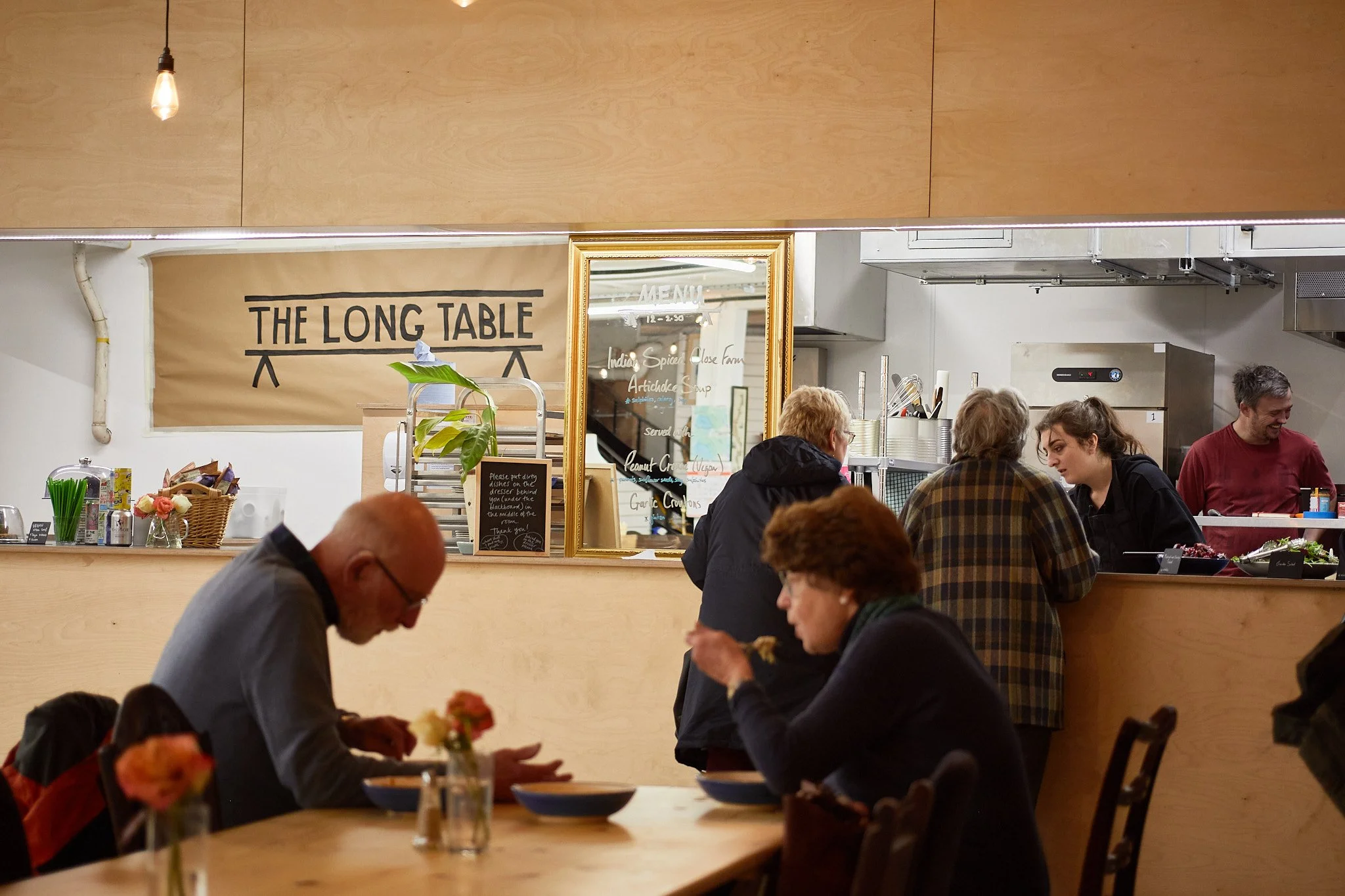
The open-plan kitchen at The Long Table, Cirencester
There is often an assumption that generosity looks like abundance; more choice, more variety, more luxury. What we see instead is that generosity can also be found in restraint, in repetition done well, and in food that feels honest and nourishing rather than extravagant.
The pay-as-you-can model asks for a great deal of trust on both sides. Trust that the food placed on the table has been sourced and prepared with intention and respect and trust that people will contribute what they can, when they can. In winter, when margins are tighter and options fewer, that trust becomes even more visible and even more vital. It is felt in the buzz of the room, in the conversations across the table, and in the understanding that value here is not defined by price, but by integrity, care and connection.
For me personally, this season has been a reminder that limitation is not something to work around, but something to work with. Winter has sharpened my focus, asking me to be more thoughtful, more patient, and more confident in simplicity. It has reinforced the idea that good food doesn’t need to shout; it needs to nourish, to comfort, and to make people feel welcome.
As we move through the colder months, our aim remains the same. To cook food that reflects the season honestly, to use what is available with respect and to offer meals that feel generous in spirit, whatever people are able to give in return. Winter may be quieter, slower, and more demanding, but it reminds us that what we have, when served with care, is always more than enough.