
The Hungry Gap explained
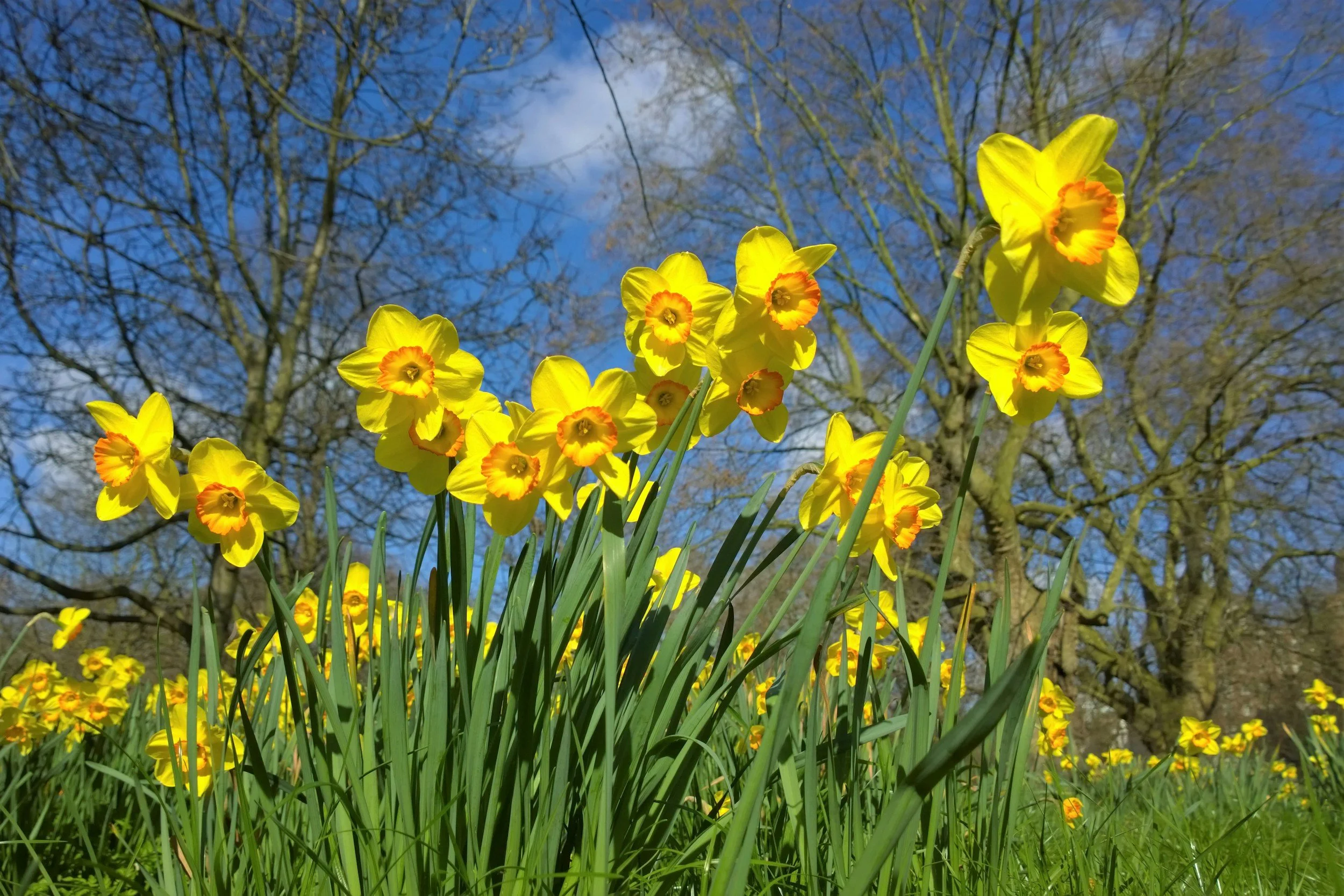
The sight of flowers blooming in spring gives the impression of abundance, but the garden’s hungry gap is just starting
As March is marching on, in the UK the weather finally seems to be turning a corner. There’s a little more green in the fields, the trees are coming into bud, flowers are starting to bloom, the rain has finally paused and the sun is starting to warm the soil. As the temperature rises and the days lengthen, we’re reaching the point at which winter releases its grip and farmers think about seed sowing. It feels like a time of growth and possibility. And yet from March to May is a time known as the Hungry Gap, in which the availability of UK-grown produce drops to the lowest point in the year. Why is this?
There are many varieties of vegetable which are hardy and can stand in the fields for over-winter harvest, mainly brassicas: kales, cabbages, sprouts. These, along with winter root vegetables, are mainstays of British seasonal cooking in the colder months. How long they last is dependent on how heavily they’re harvested, and what conditions have been like in the summer growing season. If there has been a long, hot summer which has been tough on the crop, it may not last all the way through winter. By March, those crops which have made it all the way through the winter will start to ‘bolt’ (grow flowers and set seed) as the temperature rises and the days lengthen. When a plant bolts, it puts its energy into reproduction, affecting the texture and flavour of the crop. Roots become woody, and leaves bitter. So by early spring, these crops will have been cleared. However, the weather is not sufficiently warm to plant new seeds until around March. Those plants, even the fastest-growing, will not mature to harvest point before May.
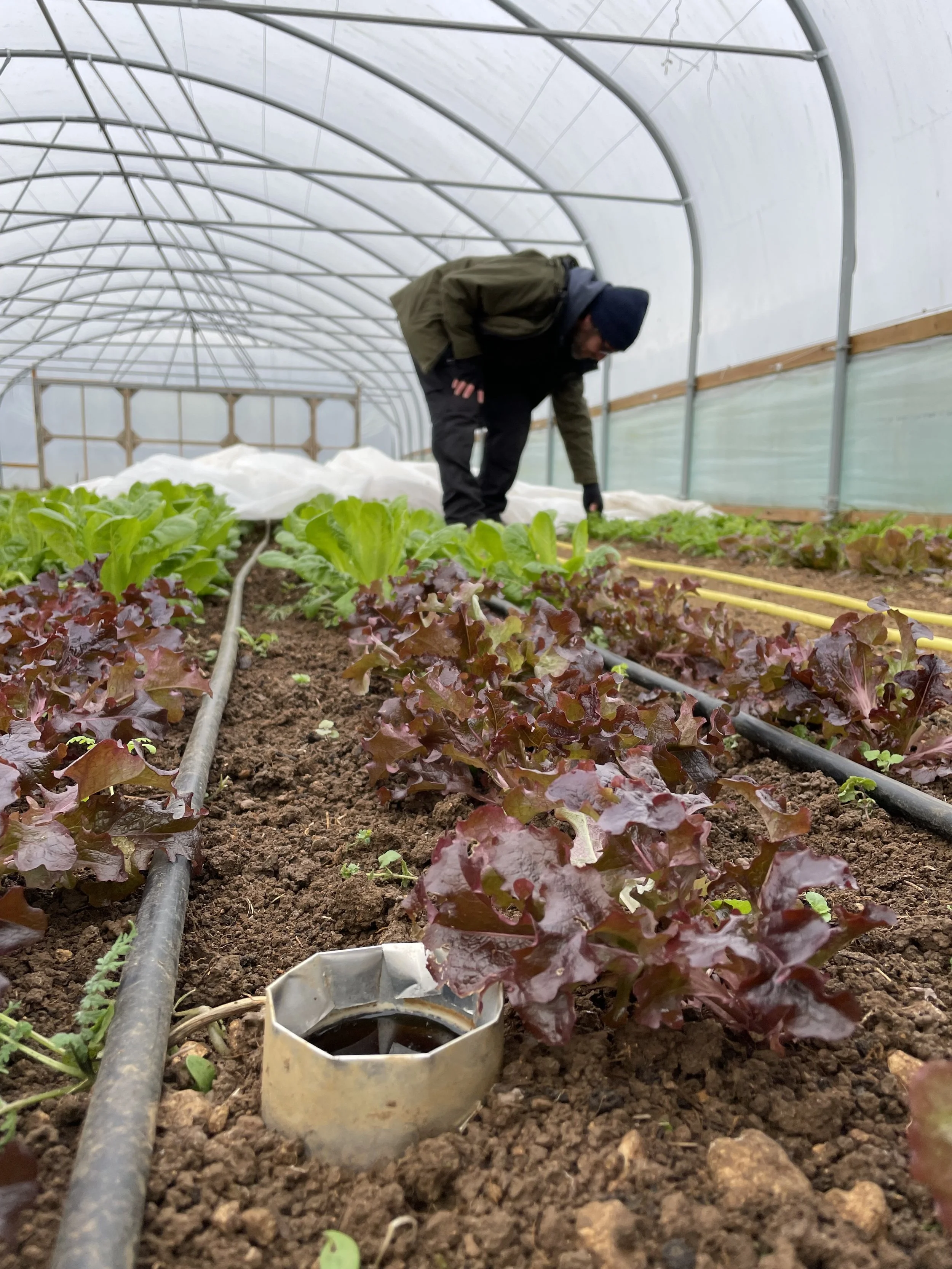
There are ways around the Hungry Gap: polytunnels and heated greenhouses extend the season, allowing overwintering of crops, or earlier sowing. Certain crops, such as many Oriental greens and salad leaves, can be produced year-round in polytunnels. However, as soon as the temperature drops below 10C plants cease active growth, meaning that even where crops can survive, the yield is much lower and regeneration is slow. Large-scale farmers are able to supply continuously by growing whole fields of single crops and harvesting a section at a time, but this isn’t an option for the small-scale market garden producers we work with.
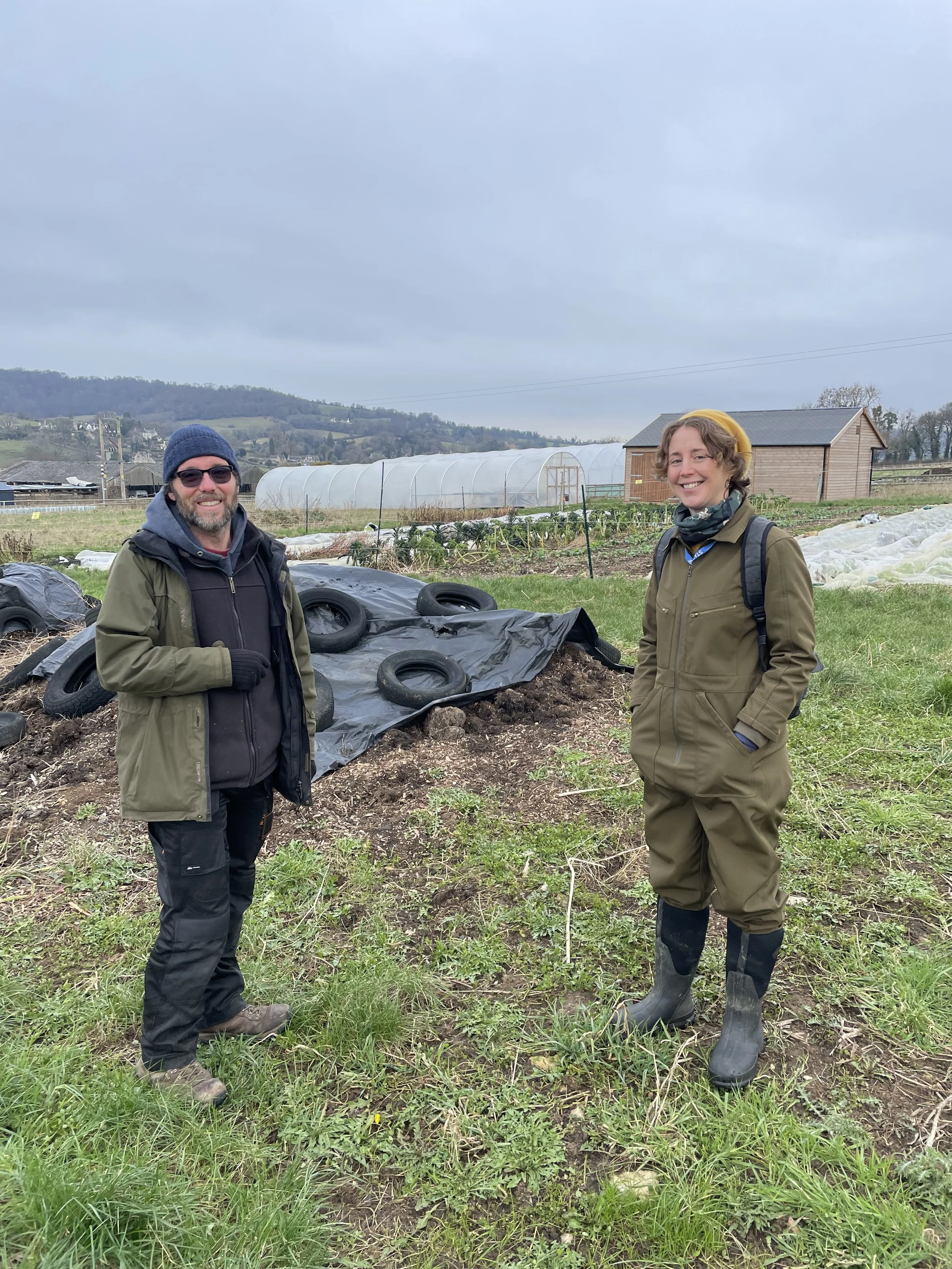
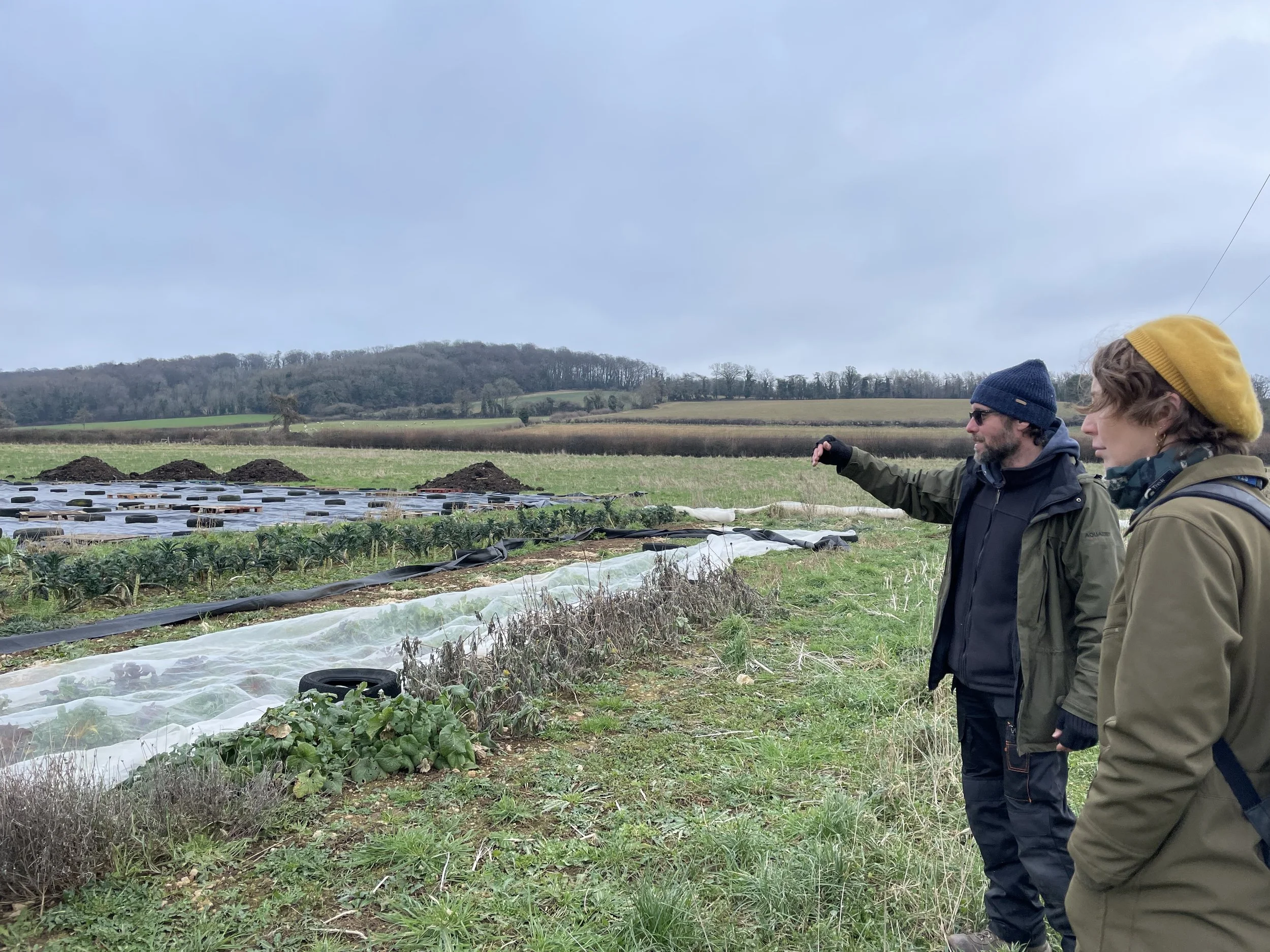
What this means for The Long Table is that you’ll see fewer local vegetables listed on our boards until April-May time. But we’re still sticking close to our principles! We may be buying in more vegetables from conventional nationwide suppliers, but we’re making sure we still buy British wherever possible. And you’ll see plenty of UK-grown pulses and grains from Hodmedods, regeneratively farmed flour from Wildfarmed, and seasonal wild venison from Brinkworth Wild Venison. We’re also buying frozen tomatoes from our partners at Good Small Farms, who preserved some of their glut back in 2025’s long hot summer. Keep an eye on our boards as we exit the Hungry Gap towards the end of April – when you see leafy greens such as salad, spinach, rocket and chard, you’ll know that the UK growing season has begun!
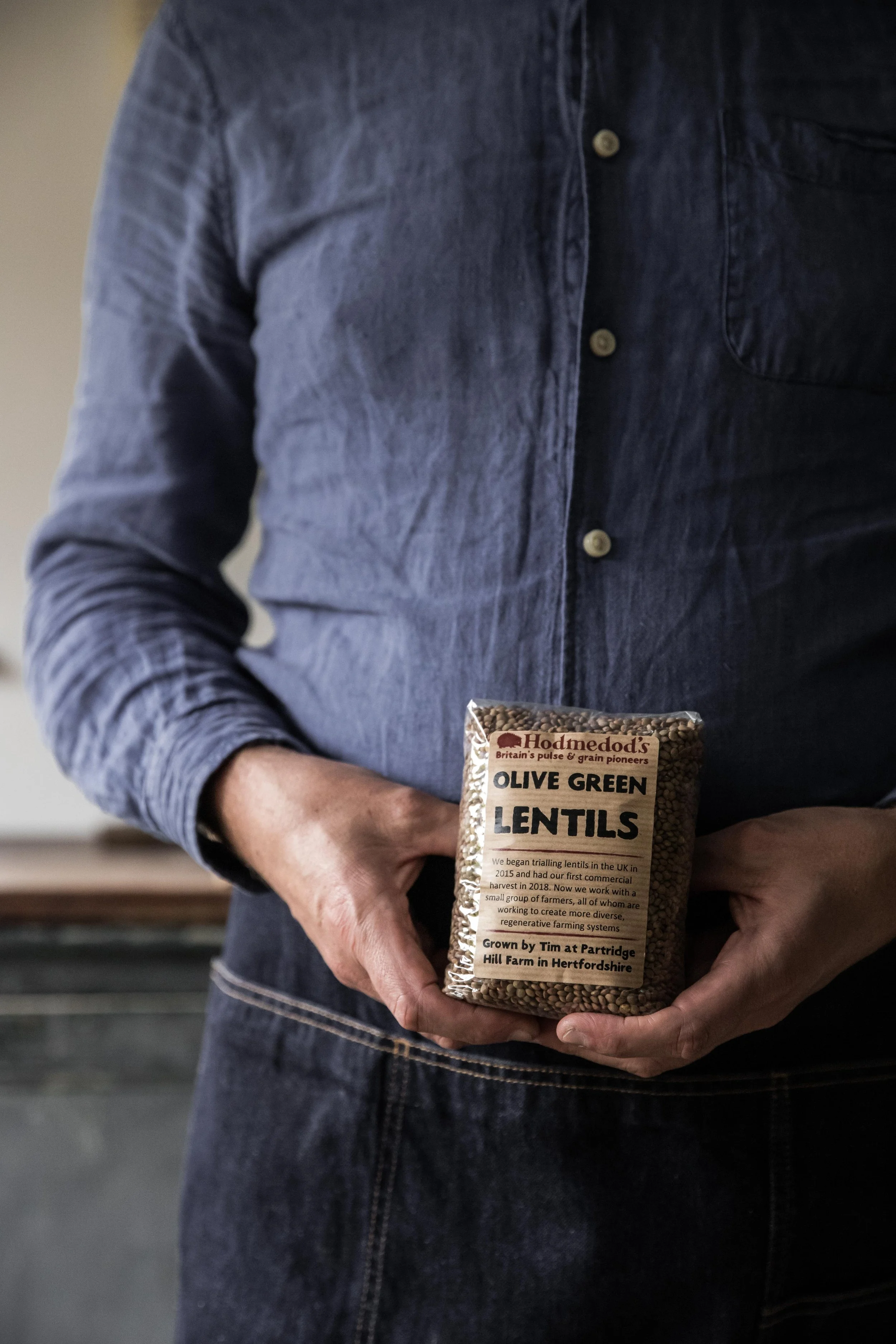
Hodmedods work with British farmers to grow grains and pulses. Their vision of imagining a better food system of connected and resilient communities spanning good farming, fair trading and enjoyable wholesome eating, is one we’re fully on board with. Check out more of their story here.